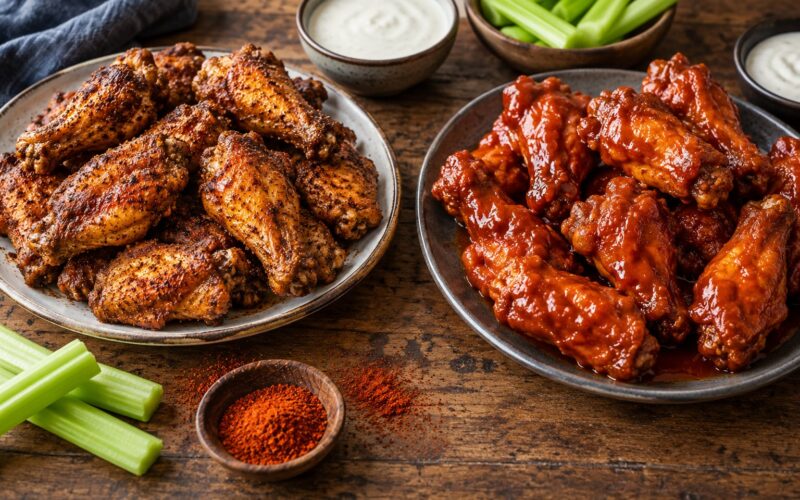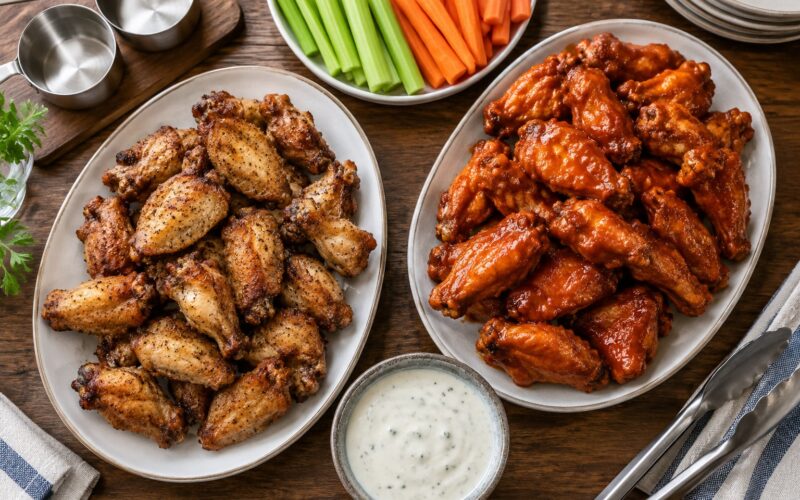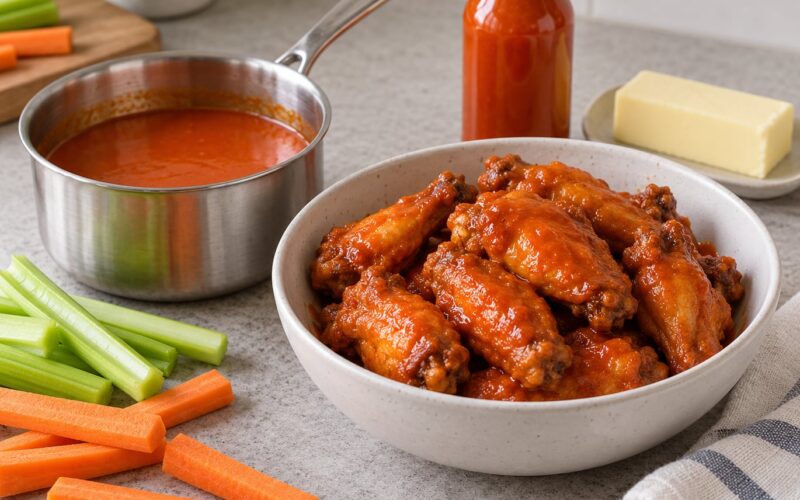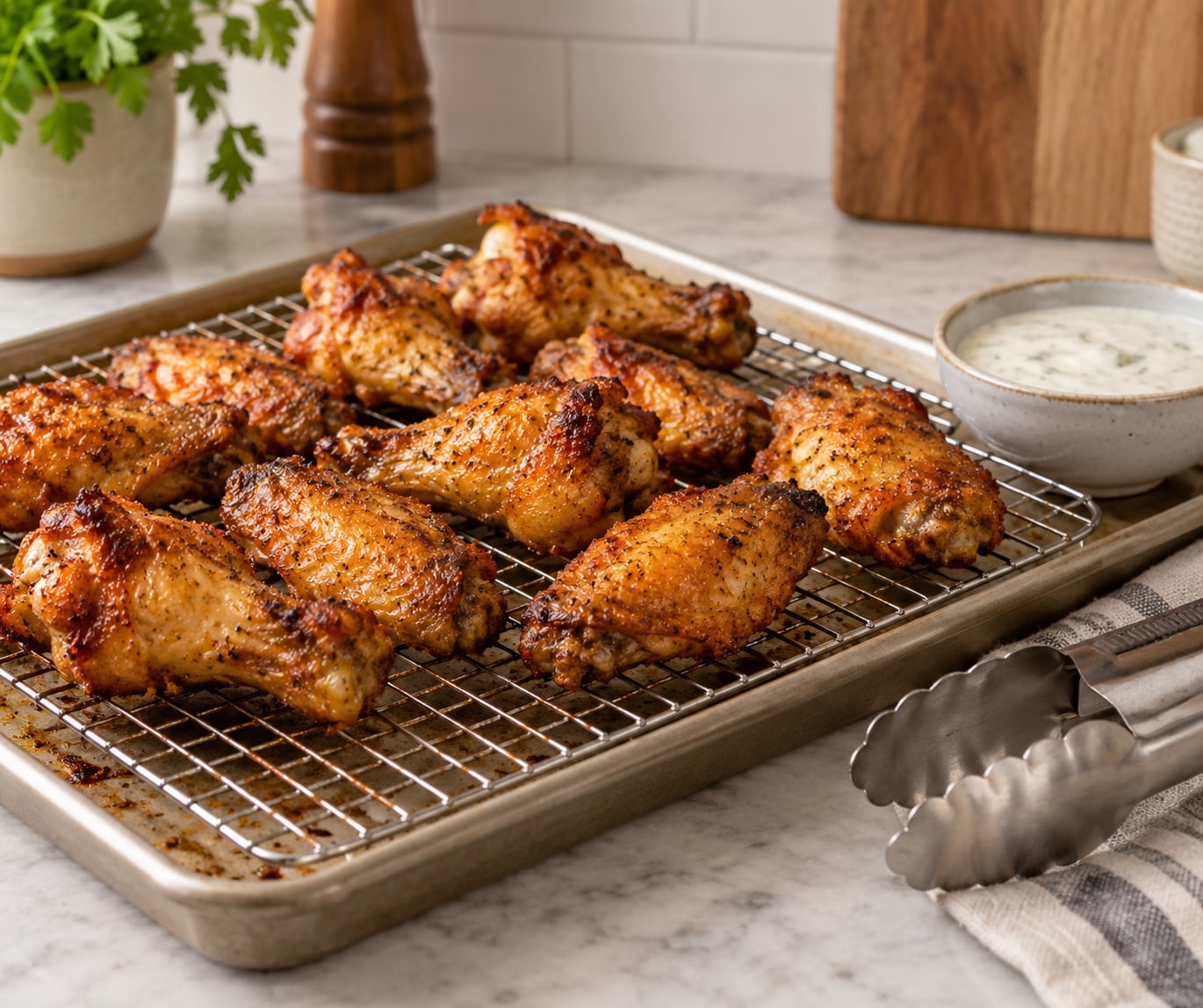
How to reheat wings and keep them crispy comes down to one idea: short bursts of dry, circulating heat. A hot oven at 400F on a wire rack gives you the crunchiest skin, an air fryer at 375F gets you there in a fraction of the time, and the microwave only works if you finish it in one of those two. This guide covers all four methods, what makes wings go soggy in the first place, and how to hold them warm for a party without turning them rubbery.
Reheating leftovers is mostly a texture problem, not a flavor problem. The meat is already cooked and seasoned, so all you need to do is drive the moisture out of the skin quickly and bring the center back up to a safe temperature. Get that wrong and you get steam instead of a sizzle, which is the soggy skin most people complain about.
As of 2026, these numbers hold for takeout wings, a batch you fried or grilled earlier, and smoked wings from a weekend cook. Whatever you started with, the finish is the same: hot through the middle, crisp on the outside.
Table of Contents
- What You Need
- Step-by-Step
- How the Four Methods Compare
- Reheat Wings in the Oven for Maximum Crispness
- Reheat Wings in an Air Fryer
- Reheat Wings in a Skillet
- Reheat Wings in the Microwave
- How to Tell When Reheated Wings Are Ready
- Common Mistakes
- Frequently Asked Questions
- What is the best way to reheat wings so they stay crispy?
- How long should I reheat chicken wings in the oven?
- Can I reheat wings in an air fryer from frozen?
- How do I reheat wings without drying them out?
- Should I add sauce before or after reheating wings?
- Conclusion
What You Need
Good reheating depends less on the appliance and more on how the wings are arranged. Here is what each method asks for.
- Rimmed baking sheet and a wire cooling rack. The rack lifts the wings so hot air circulates underneath. Wings sitting flat on the pan steam on the bottom and stay pale.
- Air fryer. Not essential, but it is the fastest route to crisp skin. Any basket-style fryer works, and a toaster oven behaves the same way on its toast setting.
- Heavy skillet with a lid. For the stovetop method. Cast iron or stainless steel holds heat better than a thin nonstick pan.
- Microwave-safe plate and a paper towel. Only for the fastest option, and the towel matters more than people think.
- Instant-read thermometer. This is the only reliable way to know the wings are done. Time is a guess; temperature is not.
- Fresh sauce, if the wings are sauced. Keep it on the counter until the wings come out of the heat. Thick buffalo or barbecue sauce goes sticky and scorches in a hot dry oven.
- A light coat of neutral oil. A quick spray or a tablespoon in the pan helps skin that has lost its shine during storage. Keep it thin, or the wings turn greasy.
Step-by-Step
All four methods follow the same three rules: preheat the appliance, keep the wings in a single layer with space between them, and stop at 165F (74C) internal temperature. Crowding is what turns a crisping oven into a steamer.
How the Four Methods Compare
- Oven with wire rack, 400F (200C). Bake 10 to 12 minutes, flip, then 5 to 10 minutes more. Best overall crispness, and the easiest method for full sheet pans and big batches.
- Air fryer, 375F (190C). Air fry 4 to 6 minutes, shake the basket, then 2 to 4 minutes more. Very good crispness in the least time, and it handles 8 to 12 wings per basket.
- Skillet over medium-high heat. Cook 3 to 4 minutes per side. Good results for small batches when you would rather not heat the whole kitchen.
- Microwave at 70 percent, then a 400F finish. 60 to 90 seconds, then 2 minutes of dry heat. Fair on texture, and the right pick when speed matters more than the coating.
Reheat Wings in the Oven for Maximum Crispness
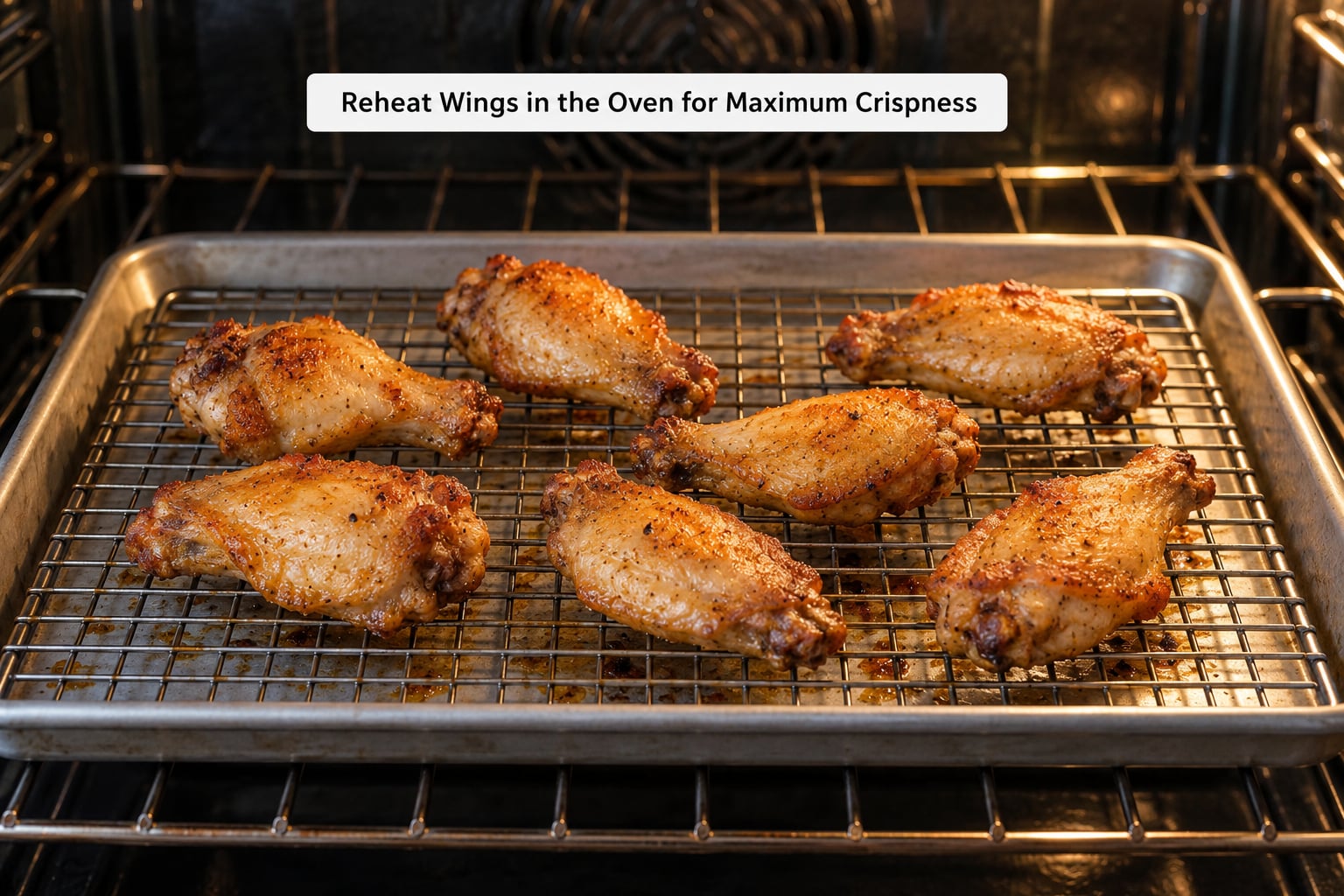
- Preheat the oven to 400F (200C). Give it a full ten minutes at temperature, which is the step most people skip and then blame the wings for.
- Set a wire cooling rack on a rimmed baking sheet and spray it lightly with cooking spray. If you have no rack, a bare sheet pan works, just flip the wings once more than you think you need to.
- Arrange the wings in a single layer with a finger’s width between each one. Overlapping wings steam each other and never crisp.
- Bake for 10 to 12 minutes at 400F.
- Open the door, turn every wing with tongs, and put it back for another 5 to 10 minutes.
- Check the thickest part near the bone. At 165F (74C) the wings are done, and you want them hot rather than dried out.
- Rest them on the rack for 3 to 5 minutes before serving. The rack keeps the underside from steaming.
If you are working with sauced wings from a takeout order, reheat them bare and toss them in fresh sauce at the table. That keeps the skin crisp and stops the sugar in the sauce from burning onto the pan.
Reheat Wings in an Air Fryer
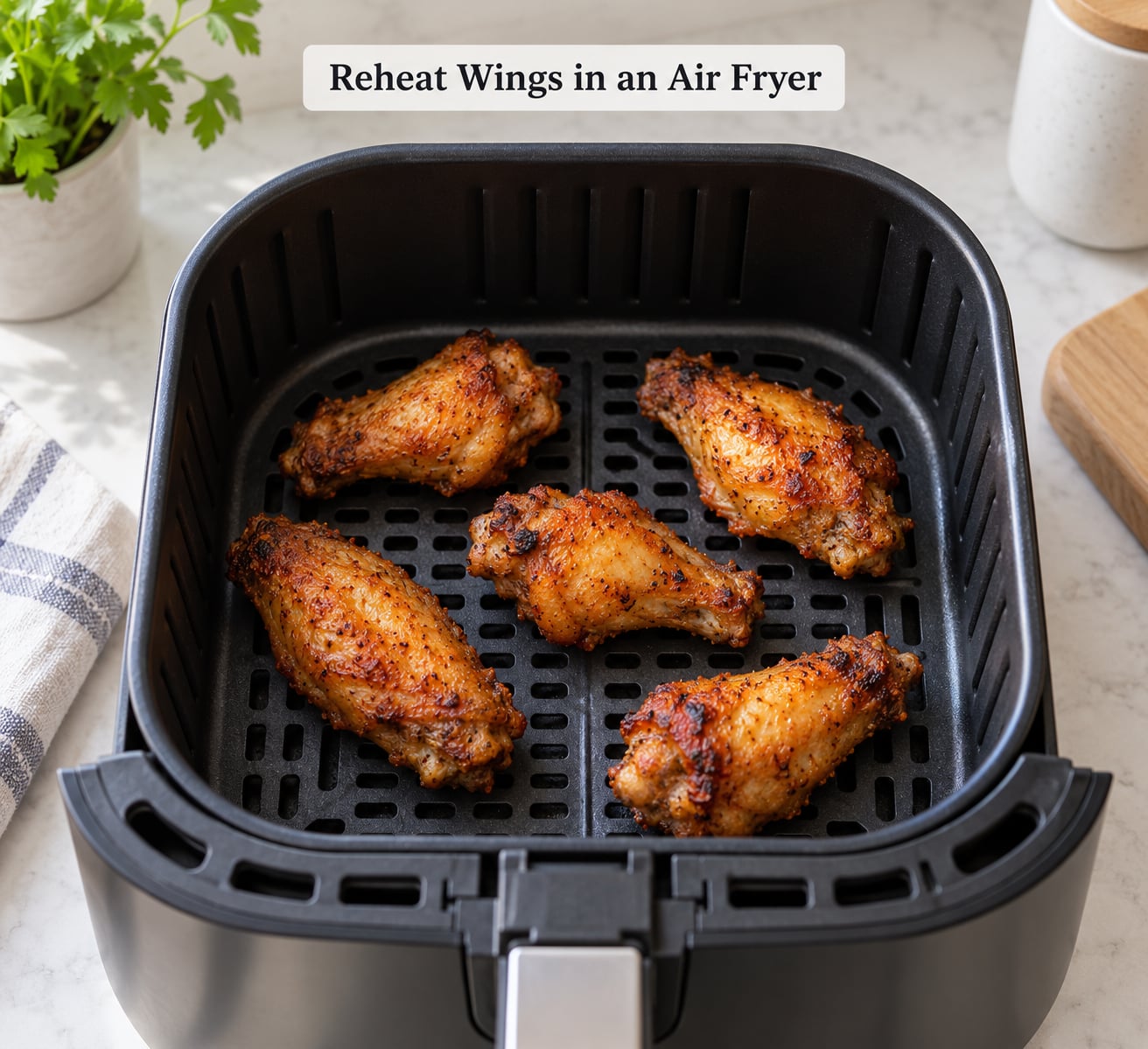
- Preheat the air fryer to 375F (190C) for 3 minutes. A cold basket is the usual reason the first wings burn before the middle of the batch is hot.
- Pat the wings dry with a paper towel and lay them in the basket in one layer. Leave a gap between each; if they touch, do two batches.
- Air fry for 4 to 6 minutes at 375F.
- Pull the basket out and shake it, then rotate each wing so the skin side faces the element. This is the halfway flip that decides the result.
- Air fry for another 2 to 4 minutes, checking after the first minute of this stage. Air fryers run hotter than ovens and go from done to burnt fast.
- Verify 165F (74C) in the thickest part, then rest for 2 minutes.
For frozen wings, they go in straight from the freezer at 375F. Add 2 to 3 extra minutes and check the temperature early, because the edges go dark before the center thaws.
400F works too and gives deeper browning, but you have to watch it the whole time. If your wings burn in the fryer but come out fine in the oven, drop to 350F, add a minute, and give the basket more room.
Reheat Wings in a Skillet
- Heat a heavy skillet over medium-high heat and add a tablespoon of neutral oil, such as canola or peanut.
- Lay the wings skin side down in a single layer. Crowding drops the pan temperature and starts the steaming problem all over again.
- Cook for 3 to 4 minutes without moving them, until the skin is golden and releases easily.
- Turn each wing with tongs and cook the second side for 3 to 4 minutes.
- Check the thickest part for 165F (74C). If you are reheating wings already sitting in buffalo sauce, add a splash of water to the pan and toss to keep the sauce from scorching.
The skillet is the one method that handles sauced wings well without a sauce change, because liquid in the pan keeps the temperature moderate.
Reheat Wings in the Microwave
The microwave heats water inside the wing faster than it dries the surface, which is why wings come out of it pale, soft, and rubbery. Use it for speed, then fix the skin in about two minutes of dry heat.
- Lay the wings on a microwave-safe plate, leaving space between them.
- Cover with a damp paper towel. It traps a little steam that heats the meat evenly without soaking the skin.
- Microwave at 70 percent power for 60 to 90 seconds, in two bursts for bone-in wings.
- Check for 165F (74C) and add 30-second bursts if needed.
- Finish them in a 400F oven or air fryer for 2 minutes, uncovered, to crisp the skin. Skipping this step is why microwave wings disappoint.
How to Tell When Reheated Wings Are Ready
Three signals together mean the wings are ready: steaming hot, heated through, and crisp on the outside. The temperature is the one you cannot argue with.
- 165F (74C) in the thickest part. This is the USDA safe minimum internal temperature for poultry. Probe near the bone without touching it, and check a wing in the thickest part of the batch since it heats last.
- Carryover cooking does some of the work. Wings pulled at 160F keep cooking for a few minutes in the residual heat, which is why a two to three minute rest finishes the job and lets the juices settle.
- Crisp skin, visible browning. The skin should look dry and slightly golden, not glossy or pale.
- Runny fat means it needs another minute. Clear juices running out of the joint is a sign the inside is still cool.
Refrigerated leftovers keep three to four days in the fridge. Freeze anything past that, and reheat only the portion you plan to eat, straight from the fridge rather than the counter. Wings that have already been reheated once should not be reheated again.
Common Mistakes
- Crowding the pan or basket. Touching wings trap steam between them and the skin never dries. Cook in batches instead of piling up.
- Skipping the preheat. Wings hit a cold oven lose moisture before the pan is hot enough to crisp them. Give the oven ten minutes, the fryer three.
- Going too hot and leaving them too long. Wings go from hot to burnt in about a minute past done. Start checking at the low end of every time range.
- Saucing before reheating. Sugar in buffalo, barbecue, or teriyaki sauce burns in a dry oven and the sauce slides off a hot wing. Reheat bare, toss after.
- Serving straight from the microwave. That is the soggy-wing mistake people make most often. Two minutes in a 400F oven fixes it.
- Covering the tray while holding. A lid traps condensation and softens the skin. Hold wings uncovered on a rack, not in a closed container.
- Letting wings sit on the counter for hours. Longer than two hours at room temperature and they belong in the bin, not the air fryer.
Frequently Asked Questions
What is the best way to reheat wings so they stay crispy?
A hot oven at 400F on a wire rack gives the crispest skin and handles a full sheet pan. An air fryer at 375F for 4 to 6 minutes gets nearly the same result in a fraction of the time. Either way, keep the wings in a single layer and stop at 165F internal. The microwave alone cannot do this job, but a microwave followed by two minutes in a hot oven can.
How long should I reheat chicken wings in the oven?
At 400F, bone-in wings need 10 to 12 minutes, then another 5 to 10 after you flip them. Boneless wings usually finish in 8 to 10 minutes total. Start checking temperature at the 8 minute mark rather than trusting the clock, and stop at 165F so the meat is hot through without drying out.
Can I reheat wings in an air fryer from frozen?
Yes, straight from the freezer works fine. Set the fryer to 375F, lay the wings in a single layer without touching, and give them 8 to 10 minutes instead of 4 to 6, shaking the basket halfway. Check the thickest part for 165F early because the edges brown long before the centers thaw.
How do I reheat wings without drying them out?
High heat for a short time is gentler than low heat for a long time, which is why 400F for 10 to 12 minutes beats a slow 250F bake. Take the wings straight from the fridge rather than letting them warm on the counter, stop the moment they hit 165F, and rest them two to three minutes so the juices redistribute.
Should I add sauce before or after reheating wings?
After. Reheat the wings bare, then toss them in fresh sauce at the table. Sugar and thick coatings scorch in a dry oven or air fryer and end up sliding off, and any sauce applied before reheating dries out by the time the wings are hot. Keeping sauce separate also lets each person choose how much they want.
Conclusion
To reheat wings and keep them crispy, start with a 400F oven and a wire rack if you have more than a dozen wings or want the deepest browning. Set an air fryer to 375F for 4 to 6 minutes, shake the basket, and check at 165F when speed is the priority. Save the skillet for small batches and the microwave for when two minutes is all you have, then finish it in a hot oven so the skin is not left rubbery.
Whichever route you take, the details do the work: preheat first, keep everything in a single layer, stop at 165F, and add sauce at the table. Held uncovered on a rack, reheated wings stay crisp far longer than anything tucked into a covered container.