Nashville hot wings are fried chicken wings tossed in a cayenne-and-butter hot oil sauce, and you can absolutely make them at home without a deep fryer. If you want to learn how to make Nashville hot wings at home, the whole process breaks into four stages: brine the wings, coat them in seasoned flour, cook them until the thickest piece hits 165°F / 74°C, then finish them in the hot oil sauce. Most of it is active work, and the whole thing takes about an hour including brine time.
The part people get wrong is the sauce. Buffalo sauce is a thin vinegar emulsion that slides off. Nashville hot sauce is a gritty cayenne paste clinging to rendered fat, and if you make it too hot the spices turn acrid before the wings ever touch it. Let the oil sit off the heat for a minute before you stir in the butter and seasonings. That single pause is the difference between a glossy red coat and a bitter one.
Pick your wing parts before you start. Flats (the wingettes) cook faster and stay craggy, drumettes (the drumsticks) are meatier and juicier, and tips are the snack pile. Mixed boxes are fine and what most home cooks buy.
Table of Contents
- What You Need
- Wings and Brine
- Coating
- Nashville Hot Sauce
- Equipment
- Step-by-Step
- 1. Brine the wings for 4 hours or overnight
- 2. Dry the wings thoroughly
- 3. Mix the flour coating
- 4. Coat in batches of 10 to 12
- 5. Heat the oil to 350°F / 175°C
- 6. Fry 8 to 10 minutes, or until 165°F / 74°C
- 7. Make the hot oil sauce with the oil resting off the heat
- 8. Scale the heat to your tolerance
- 9. Toss or brush, then serve immediately
- Which cooking method should you use?
- How to Make Nashville Hot Wings at Home With the Right Crispness
- Common Mistakes and How to Fix Them
- Frequently Asked Questions
- What is Nashville hot chicken wing sauce made of?
- What is the secret to Nashville hot chicken?
- How spicy should Nashville hot sauce be?
- What is the difference between hot wings and Nashville hot wings?
- How long can you store Nashville hot wings and how do you reheat them?
- Start With the Brine, Not the Sauce
What You Need
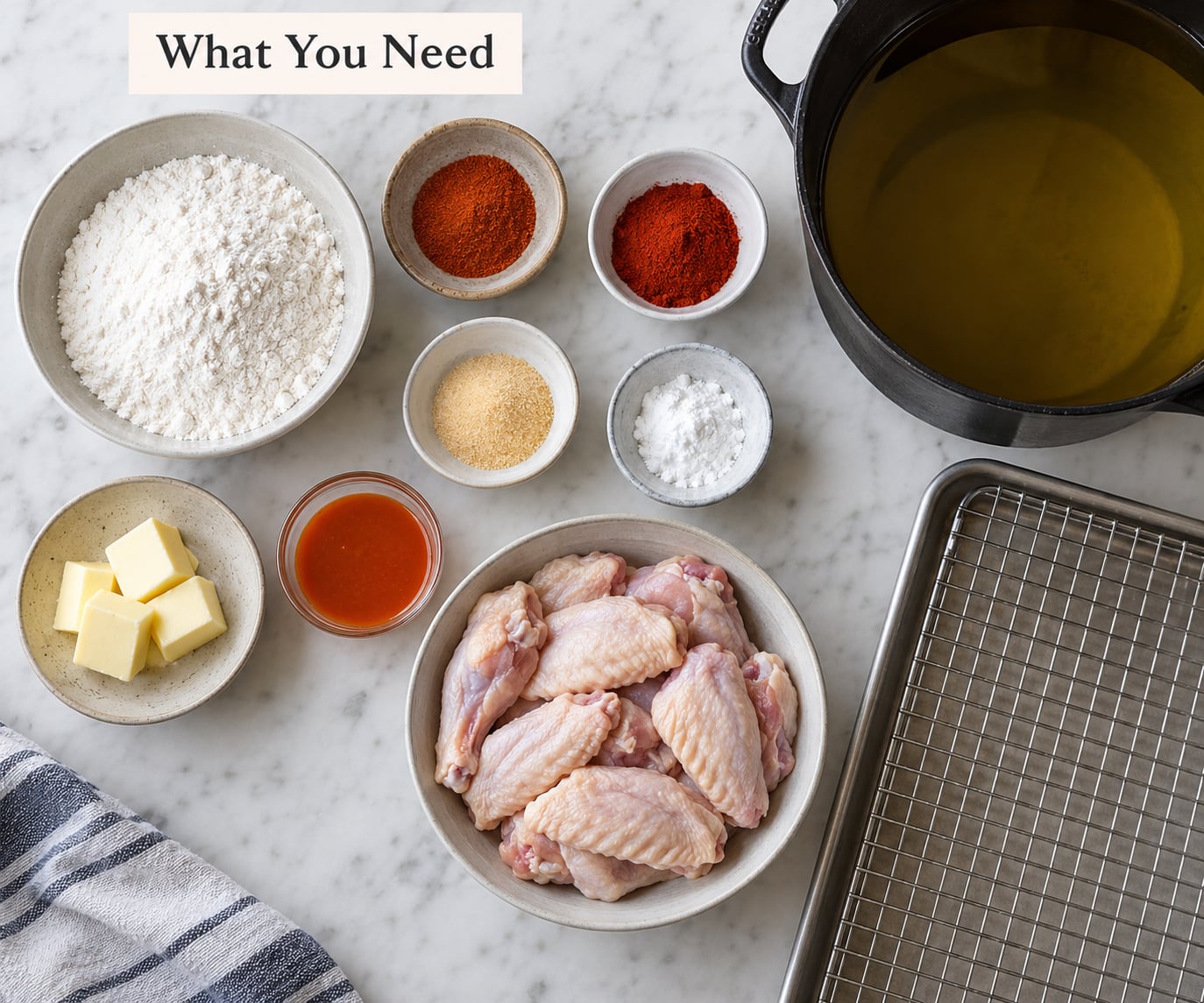
These quantities cover 2 to 3 pounds of chicken wings, which feeds four hungry people as an appetizer. Double the batch for game day rather than crowding the pot, since a crowded pot drops the oil temperature and gives you greasy wings.
Wings and Brine
- 2 to 3 pounds chicken wings, party cut (flats and drumettes)
- 2 cups buttermilk, or 2 cups pickle juice, or a mix of both
- 1 tablespoon kosher salt
- 1 teaspoon black pepper
- Optional: 1 tablespoon Louisiana-style hot sauce for extra kick
Coating
- 2 cups all-purpose flour
- 1 teaspoon kosher salt
- 1 teaspoon black pepper
- 2 teaspoons paprika
- 1 teaspoon garlic powder
- 1 teaspoon baking powder (this is what makes it craggy)
- Optional: 1 teaspoon cayenne pepper for coated heat
Nashville Hot Sauce
- 1/3 cup cayenne pepper
- 1 tablespoon brown sugar
- 1 teaspoon garlic powder
- 1 teaspoon paprika
- 1 teaspoon chili powder
- 1 teaspoon kosher salt
- 8 tablespoons (1 stick) unsalted butter
- 1/4 cup neutral oil, plus more for frying
- 1 tablespoon vinegar or the pickle brine, optional
Equipment
A heavy pot with 3 inches of oil and a tight-fitting lid is the one non-negotiable item, because the lid is what keeps a spit of hot oil from burning you. A wire cooling rack set over a sheet pan drains wings far better than paper towels, and it keeps the underside crisp instead of steaming. An instant-read thermometer takes the guesswork out of both the oil and the chicken.
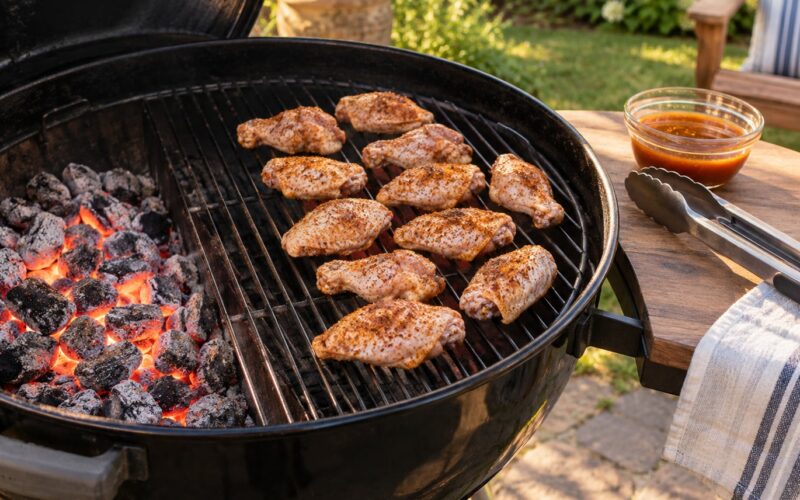
Skip the deep fryer and use a 450°F oven with the wings on a rack, or use an air fryer at 400°F in single layers. Neither gives quite the same shatter, but both beat a crowded skillet by a wide margin.
Step-by-Step
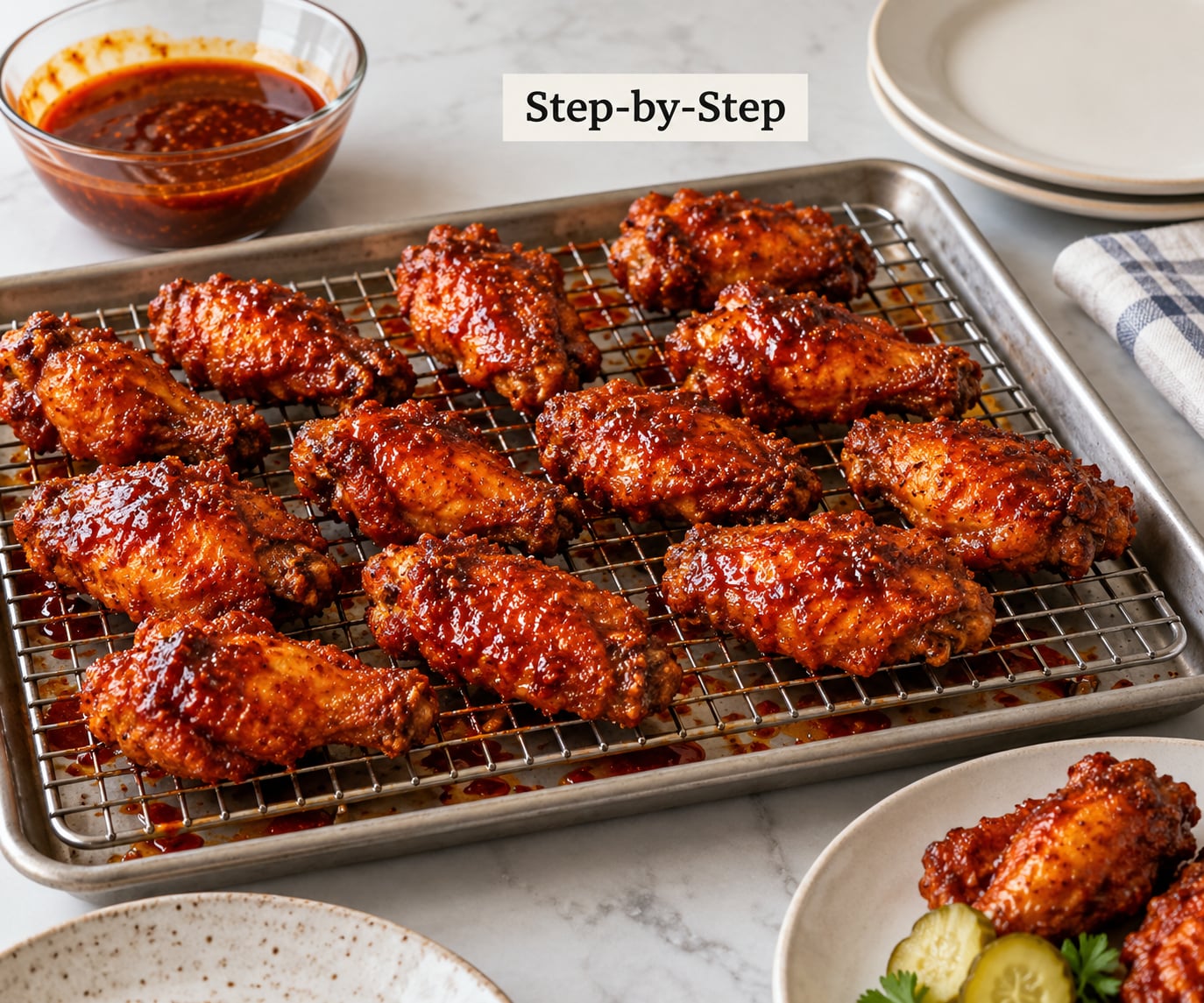
1. Brine the wings for 4 hours or overnight
Toss the wings with the salt and pepper first, then pour over the buttermilk or pickle juice until everything is submerged. The salt seasons deep into the meat; the acid in pickle juice tenderizes it and helps the flour stick later. Four hours is the minimum for noticeable difference, and overnight is where home cooks say the juiciness comes from.
You’ll know the brine worked because the raw wings look slightly translucent and looser in the skin.
2. Dry the wings thoroughly
Drain and pat every piece dry with paper towels, then hang them on a rack for 15 minutes. Wet skin steams instead of crisping, and this step does more for your crunch than anything else in the recipe.
3. Mix the flour coating
Whisk the flour, salt, pepper, paprika, garlic powder, baking powder and optional cayenne in a wide bowl or a paper bag. The baking powder reacts with moisture and gives that blistered, craggy shell that separates from the chicken in flakes.
4. Coat in batches of 10 to 12
Shake each wing in the flour until it’s dusted and shaken twice for a thicker coat. Pat off the loose excess. A thick double coat survives the fryer better than a thin one, and it’s the layer that holds the sauce later.
5. Heat the oil to 350°F / 175°C
Fill your heavy pot with 3 inches of neutral oil and bring it to 350°F. Use a thermometer, not guesswork; oil below 325°F soaks the coating and oil above 375°F browns it before the meat cooks.
Safety first: keep the pot on a back burner, never fill it more than a third full, and keep the lid beside the burner. Lower wings in with a slotted spoon or spider, one at a time, so nothing splashes.
6. Fry 8 to 10 minutes, or until 165°F / 74°C
Keep the temperature between 340°F and 355°F by moving the pot off and on the heat as needed. Turn the wings once at the halfway mark if you want even color.
Check the thickest piece with an instant-read thermometer. Poultry is safe and done at 165°F / 74°C, and the wing should feel firm at the joint, not rubbery. Drain on the wire rack, not paper towels.
7. Make the hot oil sauce with the oil resting off the heat
Measure the 1/4 cup of oil into a small saucepan and take it off the heat. Wait about a minute, then stir in the butter until it melts.
Now whisk in the cayenne, brown sugar, garlic powder, paprika, chili powder and salt. Whisk steadily for 20 to 30 seconds until it turns a deep brick red and smells toasted rather than raw. That rest is what forum cooks mean when they warn that hot oil burns the spices; go straight from flame to cayenne and you get a bitter, acrid sauce.
8. Scale the heat to your tolerance
- Mild: 2 tablespoons cayenne and 2 tablespoons brown sugar
- Medium: 1/4 cup cayenne (the standard recipe)
- Hot: 1/3 cup cayenne plus 1 teaspoon chili powder
- Nuclear: 1/2 cup cayenne, plus a teaspoon of 7-pot Jonah powder if you want genuine pain
Cayenne’s heat builds slowly, so the first spoonful always tastes milder than it is. Add the vinegar or a tablespoon of pickle brine at the end if you want the sharpness of a restaurant sauce.
9. Toss or brush, then serve immediately
Put the fried wings in a large bowl and pour the sauce over, tossing with tongs until every piece is coated. For maximum crunch, brush instead of toss, and serve any extra sauce on the side.
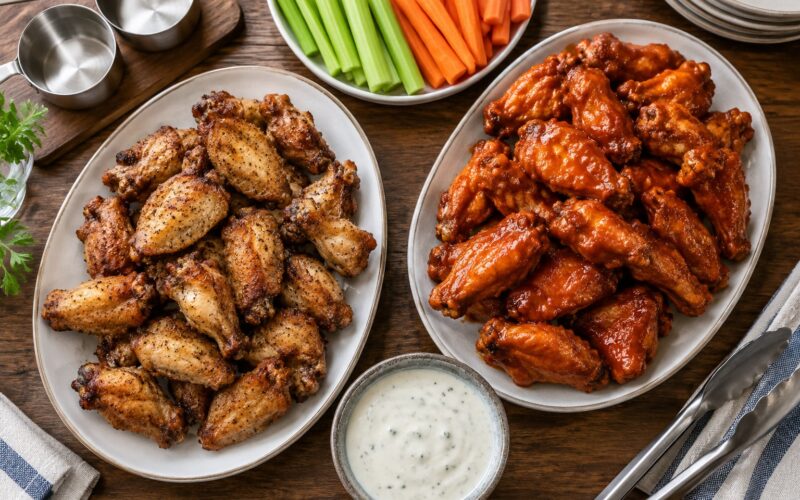
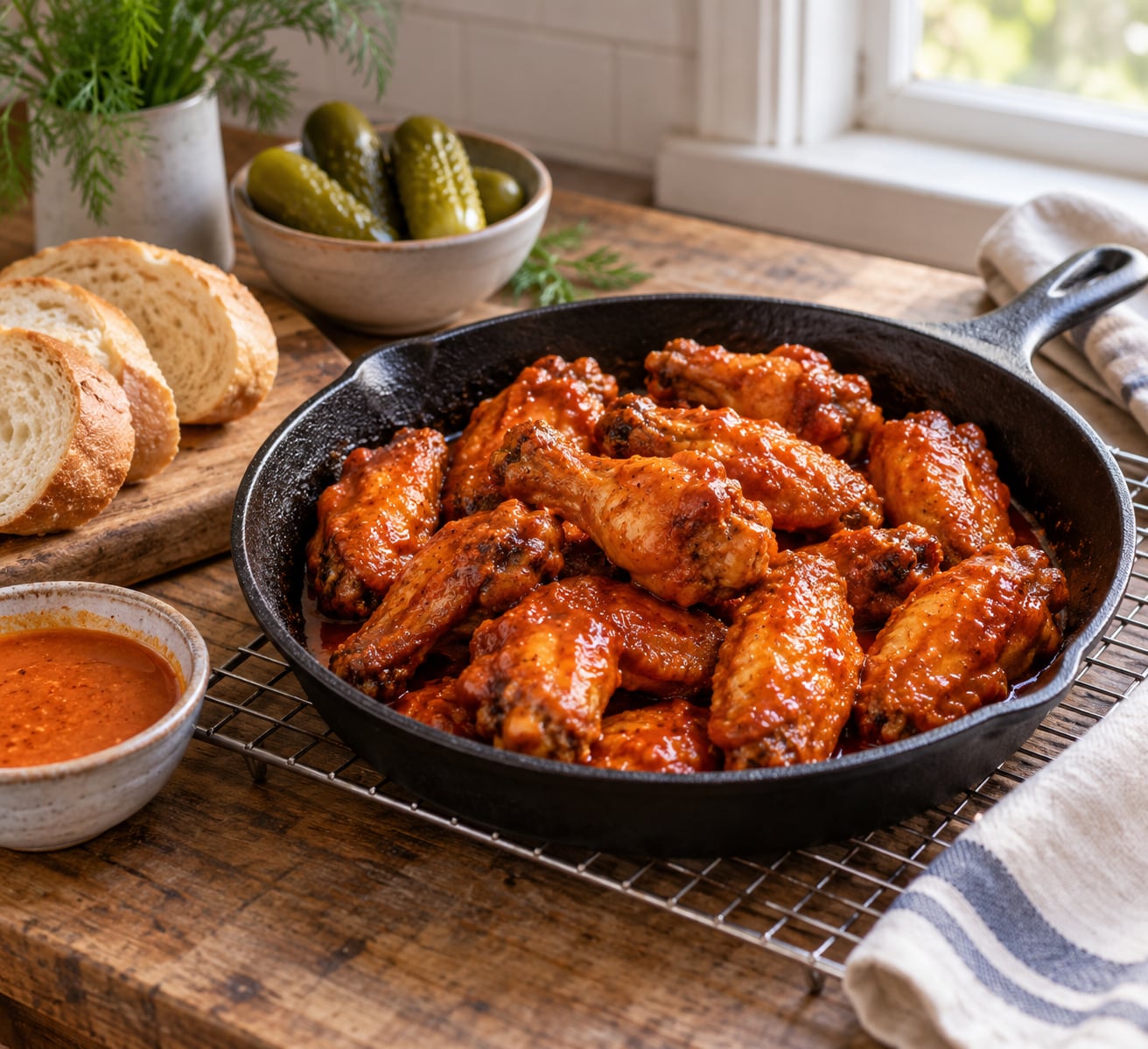
Traditional service is a slice of white bread underneath with dill pickle chips on top. Add ranch or blue cheese dressing for cooling, and a slaw or celery if you want to soften the heat.
Which cooking method should you use?
Deep frying gives the crunchiest result, but the other three methods work well and none of them need a fryer. Pick by the equipment you own and the time you have.
| Method | Temperature | Time | Result |
|---|---|---|---|
| Deep fried | 350°F / 175°C oil | 8 to 10 min | Shatteringly crisp, most authentic |
| Oven baked on a rack | 450°F / 230°C | 25 to 30 min | Good crunch with almost no oil |
| Air fryer | 400°F / 205°C | 14 to 18 min | Fastest, single layer, close second |
| Smoker, indirect heat | 250°F / 120°C | 90 min to 2 hours | Deep smoke flavor, no crust |
For the oven method, spray or brush the wings with oil, bake on the wire rack for 25 to 30 minutes, flipping once at 20 minutes. Cornstarch in place of some of the flour works well here, since cornstarch fries and bakes crisp without any gluten structure. For the air fryer, use 400°F with a light oil spray and don’t stack the pieces, because touching wings cook unevenly. Smoker wings want a dry rub of salt, pepper and paprika applied before cooking, with the sauce brushed on in the last 15 minutes rather than at the end.
How to Make Nashville Hot Wings at Home With the Right Crispness
The craggy coating comes down to four things: dry skin, dry flour, space between pieces and a wire rack at the finish. Wings with any surface moisture will steam, and steamed breading never blisters.
Leave a finger’s width between each piece in the pot and in the pan. Crowding drops the oil or air temperature, which extends cooking time and turns the crust greasy. Save that last layer of dry flour for a second pass on any bare spots, since a thin coat tends to shed in the fryer and leave you biting naked chicken.
Rest the fried wings on a rack for 2 minutes before saucing. Oil pooling under a wing makes the bottom soft, and that is why paper towels alone leave you with a soggy bottom and a wet spot on the counter.
Common Mistakes and How to Fix Them
The coating falls off in the fryer. It was under-coated or the wings were wet. Double-dip the wings in flour and let the first coat sit for a minute before the second. Press the flour on firmly.
The sauce tastes burnt. You mixed the cayenne into oil that was still smoking hot. Pull the oil off the heat, wait 60 seconds, and start over with a fresh splash of oil. Burnt cayenne cannot be rescued with more butter.
The wings are greasy and pale. The oil was below temperature. Heat to 350°F and hold it there, adjusting the heat rather than trusting the first reading.
The sauce is too thin and slides off. You used butter alone with nothing else. Stir in 1 tablespoon of the hot frying oil and hold back the butter; the emulsified fat is what makes it cling. Simmer 30 seconds to thicken.
The wings went soggy after saucing. You sauced too early. Toss and serve within minutes, or hold the fried wings and sauce separately until guests are at the table.
Uneven cooking. Mixing flats and drumettes in one batch means the tips burn before the drums finish. Fry flats first, since they cook faster, and pull each piece by temperature rather than by timer.
A couple of prep notes that make game day easier. Brine the wings and mix the dry coating the night before, and keep the fried wings on a rack in a single layer in a 200°F oven for up to an hour while you finish the rest of the meal. Sauce them right before serving.
Frequently Asked Questions
What is Nashville hot chicken wing sauce made of?
Cayenne pepper is the base, loosened with melted butter and a little neutral or frying oil. Most recipes add brown sugar for balance, plus garlic powder, paprika, chili powder and salt. Some stir in a splash of vinegar or pickle brine at the end for the sharp tang you get at a Nashville hot chicken shop. Mix the spices into oil that has been off the heat for about a minute, so the cayenne toasts instead of burning.
What is the secret to Nashville hot chicken?
The secret is the hot oil itself. Traditionally, some of the fat used to fry the chicken gets whisked into the sauce, and that emulsified fat is what makes the coating stick to the skin instead of sliding off. Combined with a brined chicken and a heavy, craggy flour coat, it gives you the juicy meat and fierce spice that define Nashville hot chicken.
How spicy should Nashville hot sauce be?
The standard recipe uses about one third of a cup of cayenne per 2 to 3 pounds of wings, which lands in medium-hot territory rather than extreme. Start with less if you are unsure: two tablespoons of cayenne plus two of brown sugar gives a genuinely mild version. Remember cayenne heat builds, so the first bite always tastes gentler than the finish.
What is the difference between hot wings and Nashville hot wings?
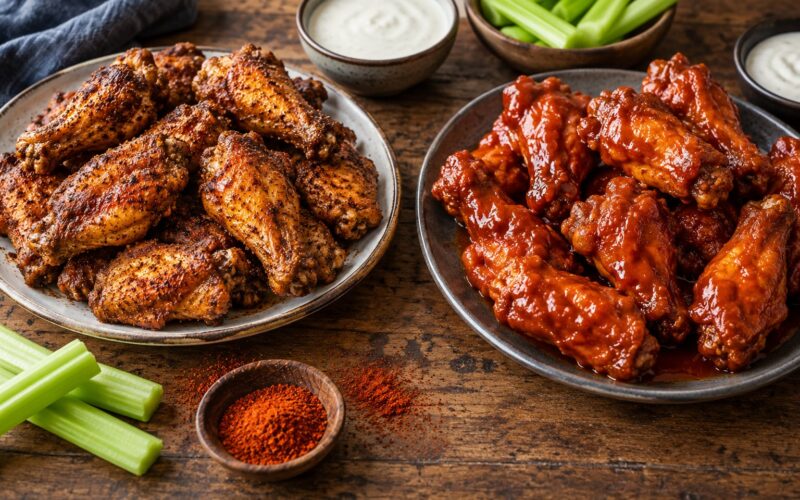
Buffalo wings are coated in a thin vinegar-based sauce that slides across the meat and needs dipping to taste right. Nashville hot wings get a thick, gritty cayenne paste with visible spice flecks and almost no acid. They are traditionally served on a slice of white bread with dill pickle chips rather than with celery and blue cheese.
How long can you store Nashville hot wings and how do you reheat them?
Store sauced wings in an airtight container in the refrigerator for up to three days, though the coating softens after the first night. Reheat in a 400°F oven for 8 to 10 minutes on a rack, or in an air fryer for 5 to 6 minutes at 400°F. Skip the microwave; it steams the crust and leaves you with a soft shell.
Start With the Brine, Not the Sauce
If you only change one thing in this recipe, make it the brine. Buttermilk or pickle juice for four hours or overnight is what gives you juicy meat under a brittle crust, and it costs you nothing but patience.
Then get your oil to 350°F before anything goes in, keep the pot one third full at most, and give that cayenne sauce a minute off the heat. Those three details are the difference between Nashville hot wings that taste like the restaurant and ones that taste like a hot snack. Serve them on white bread with dill pickles while they’re still too hot to hold comfortably.