Learning how to deep fry wings at home safely comes down to three things: bone-dry wings, oil held steady at 350–375°F (175–190°C), and small batches in a heavy pot. A full batch takes about 30 minutes start to finish and needs only one burner. The safety side is almost all setup, done before the oil ever gets hot.
Hot oil is the most dangerous thing in an ordinary home kitchen, and almost every frying injury traces back to water meeting fat. A single drop of water turns into a burst of steam that throws oil at 350°F across your forearm. Dry the wings properly, keep your hands and face out of the drop zone, and you remove almost all of that risk.
This guide covers the gear, the oil, the temperatures in both Fahrenheit and Celsius, and what to do in the rare case that the oil catches fire. It also settles the argument about 375°F against the 300°F par-fry, because both numbers are right for different jobs.
Table of Contents
- What You Need
- Step-by-Step: How to Deep Fry Wings at Home Safely
- Step 1: Prepare the Wings Before You Deep Fry
- Step 2: Fill the Pot Safely
- Step 3: Heat the Oil to the Right Temperature
- Step 4: Fry Small Batches
- Step 5: Check Crispness and Doneness
- Step 6: Drain and Season the Wings
- Choosing Your Pot and Oil
- Common Mistakes
- What to Do If the Oil Catches Fire
- Frequently Asked Questions
- What temperature should oil be for deep frying chicken wings?
- Which oil is safest and best for deep frying wings at home?
- How long do wings take to deep fry at 350°F?
- Can I deep fry frozen wings without thawing them first?
- How do I keep deep-fried wings crispy after cooking?
- How should I safely dispose of or cool used frying oil?
- The Short Version
What You Need
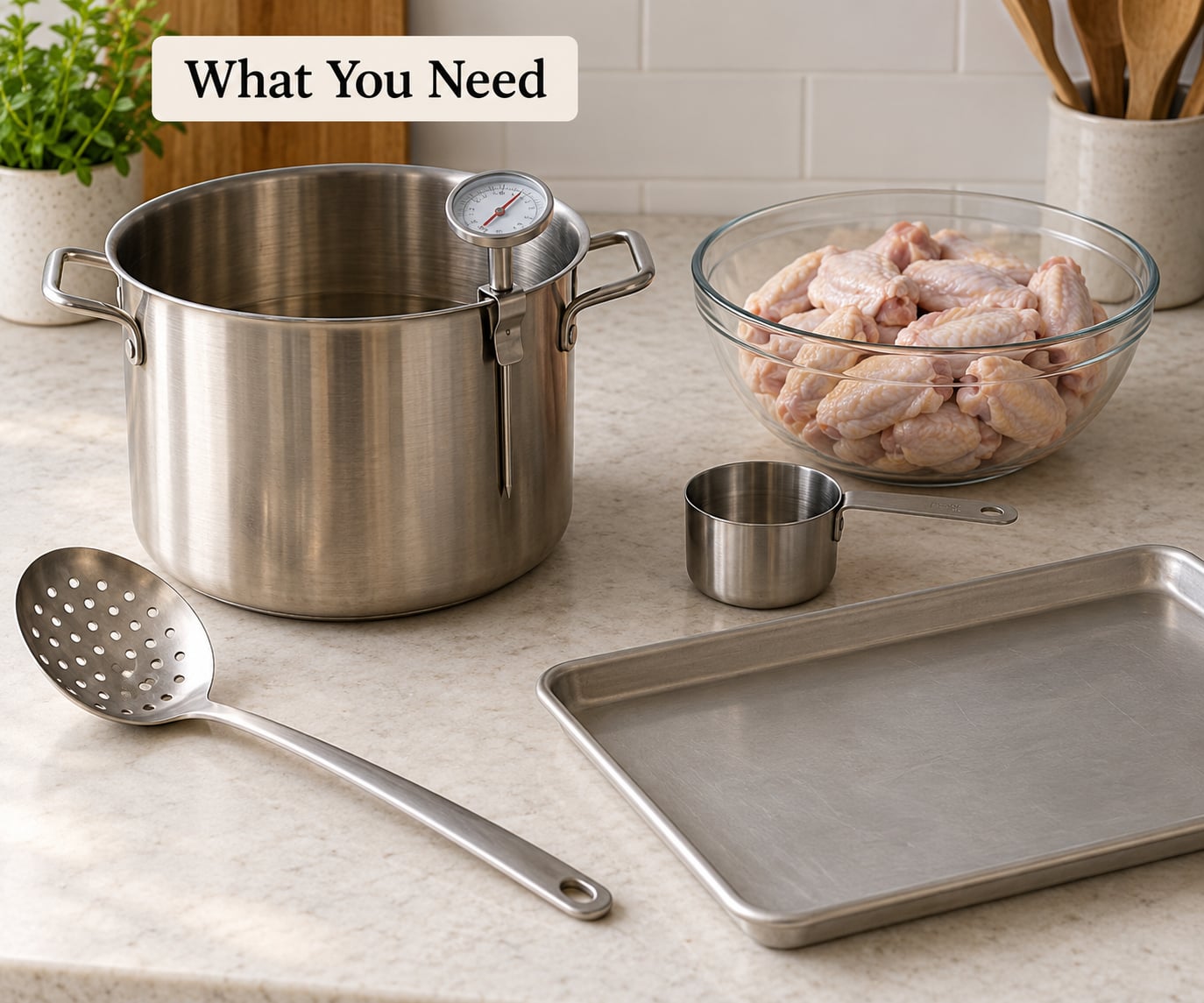
You need less than most people expect. A heavy pot, a thermometer, a long-handled spoon, and a wire rack do nearly all of the work.
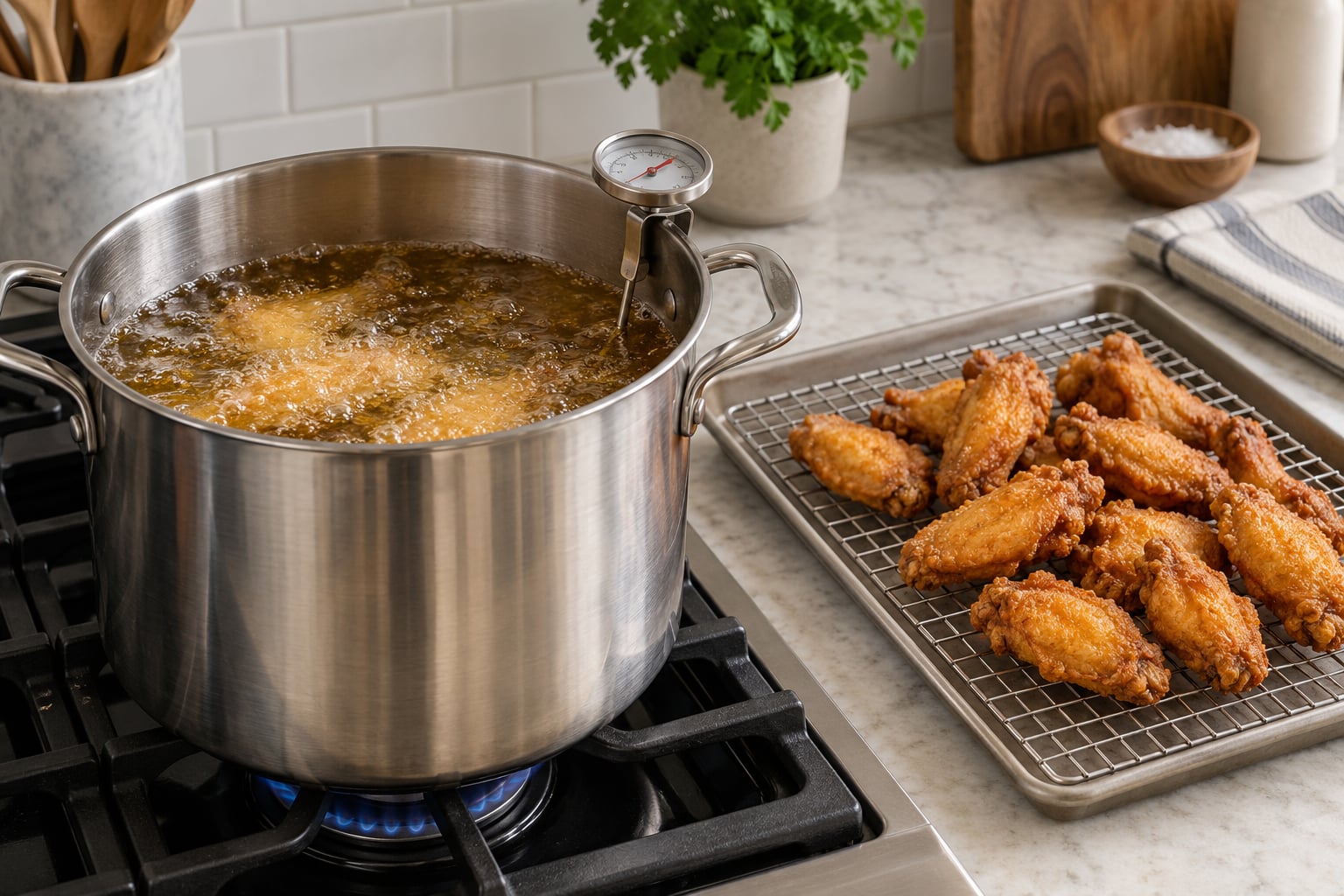
- A heavy-bottomed pot with a flat base and tall sides. Stainless steel or enameled cast iron holds heat steady, so the oil does not crash in temperature the moment a wing goes in. Thin nonstick pans warp at high heat and are the ones I would avoid.
- A clip-on deep-fry thermometer. A cheap dial thermometer beats guesswork by a wide margin. Hot oil looks exactly the same at 300°F and at 400°F, which is why guessing fails so often.
- A metal lid or splatter screen and a metal ladle or spider skimmer with a handle long enough that your knuckles stay well back from the pot.
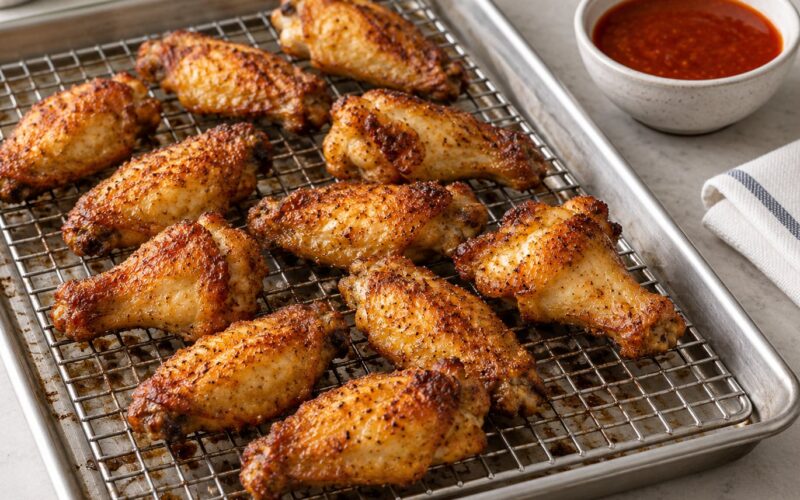
- A wire rack set over a rimmed baking sheet for draining. Paper towels alone trap steam under the wings and soften the crust.
- A dry-measure or heatproof measuring cup for oil, so you can fill the pot to the correct depth from the counter instead of guessing by pouring straight from the bottle.
- A kitchen fire extinguisher — a small canister rated for grease fires — within arm’s reach but not so close that a flare-up reaches it.
- Tongs, paper towels and a shallow dish for holding the wings as they drain.
For the pot size, choose one that holds the wings in a single loose layer with two inches of clearance above the oil. Fill it no more than one-third full of oil. A crowded pot drops the temperature fast, which is the number one reason wings come out greasy instead of crisp, and it raises the odds of a spill.
On the food side, buy wings that are already cut into flats and drumettes so they cook evenly and are easy to lower into the oil one at a time. Whole wings are fine, but you have to cut them yourself, and cutting them wet means a wet pot rim later.
Step-by-Step: How to Deep Fry Wings at Home Safely
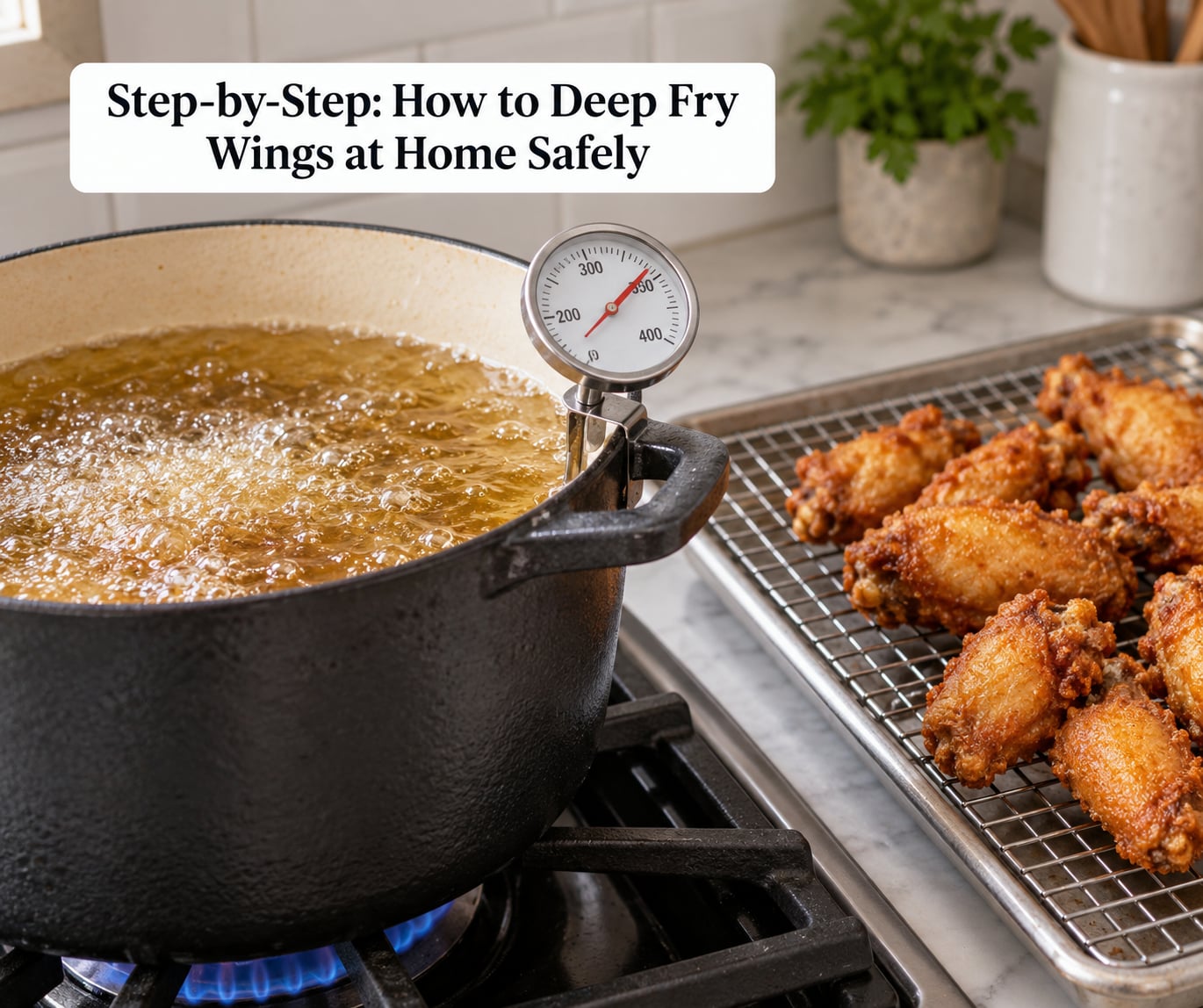
Fry at 350–375°F for 9 to 13 minutes per batch, work in batches of six to eight wings, and confirm 165°F (74°C) inside the thickest part before you drain them. Everything below expands on those numbers.
Step 1: Prepare the Wings Before You Deep Fry
Pat every wing bone-dry with paper towels and do not skip it. This is the single most important step for both texture and safety, because surface water is what makes oil spit.
Season after drying, not before. A dry rub of salt, pepper and garlic powder goes straight on; a wet marinade leaves a film that steams instead of crisping. If you brine, do it hours ahead in the refrigerator, then drain and dry the wings thoroughly before they ever meet oil.
Coating is optional. Cornstarch gives the thinnest, crunchiest shell and soaks up the least oil, while flour browns faster and gives more of a classic breaded crust. A two-thirds cornstarch, one-third flour blend is the compromise I use most. If you skip coating entirely, the wings still crisp; you just get the skin’s natural crunch rather than a thick crust.
Step 2: Fill the Pot Safely
Set the pot on the back burner with a clear counter around it, away from towels, curtains, paper and anything a kid or dog might grab. Wipe the rim and the outside of the pot dry before the oil goes in.
Pour in enough oil to reach two to three inches up the sides of the wings, which for most home pots means roughly three to four cups for a batch of eight. Stop well short of the rim. Never more than one-third full.
Dry the wings, dry your hands, and have the rack, the tongs and the seasoning within reach before the burner goes on. Every trip to the pantry during frying is a trip away from a pot of smoking oil.
Step 3: Heat the Oil to the Right Temperature
Heat to 350–375°F (175–190°C) for a single fry, checking with the thermometer rather than by eye. A thin film of shimmering oil means you are nowhere near ready.
Clip the thermometer to the pot rim with the tip suspended in the oil and not touching the metal, or rest it in the oil on a heatproof surface. Letting the tip touch the pot bottom gives you a false high reading.
Stay at the stove while the oil heats. Oil goes from cool to dangerously hot in under two minutes on a gas burner, and that is exactly when unattended oil does its damage.
Step 4: Fry Small Batches
Lower six to eight wings into the oil one at a time with the spider skimmer, sliding them away from you rather than dropping them from height. Each wing should displace oil before the next one goes in. Use the back burner for the wings too, so you are not reaching across the heat.
Let the oil climb back to temperature between batches before adding more. It will drop when the wings go in, and that is normal, but stacking batches back to back means most of the cook happens at 280°F, where the skin never crisps and the meat drinks oil instead.
Keep the heat steady and never leave the burner unattended while frying. If the oil starts to smoke, pull it off the heat immediately rather than turning the burner down and walking away.
Step 5: Check Crispness and Doneness
Fry until the skin is deep golden brown, roughly 9 to 13 minutes at 350°F for flats and 11 to 15 minutes for drumettes. Color is your best signal, since larger cuts take longer and pickles and brines shift the timing.
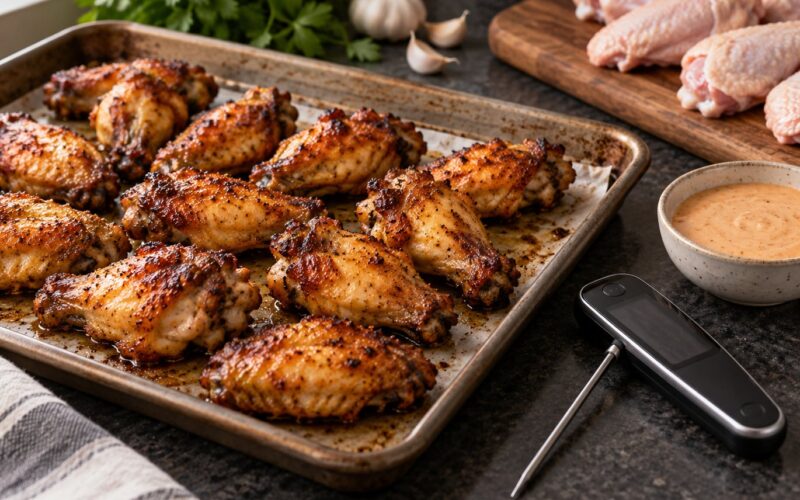
Move the wing to the thickest area and probe with an instant-read thermometer. It needs to hit 165°F (74°C) for poultry, USDA minimum, and most home wings land somewhere between 165°F and 175°F at the bone joint. That extra margin is what makes the meat pull off the bone clean.
If you like the extra-crisp restaurant texture, use a two-stage fry: hold the wings at 300–325°F (150–160°C) for 8 to 10 minutes, rest them on the rack for at least 30 minutes, then finish at 375°F (190°C) for 3 to 5 minutes. The rest lets the moisture redistribute so the second fry dries the surface out instead of steaming it. You can even par-fry a day ahead and refrigerate them loosely covered.
Step 6: Drain and Season the Wings
Lift the wings out and let them drain on the wire rack for a minute or two so excess oil falls away from the crust. Rest them in a single layer; a pile of wings steams itself soft in under two minutes.
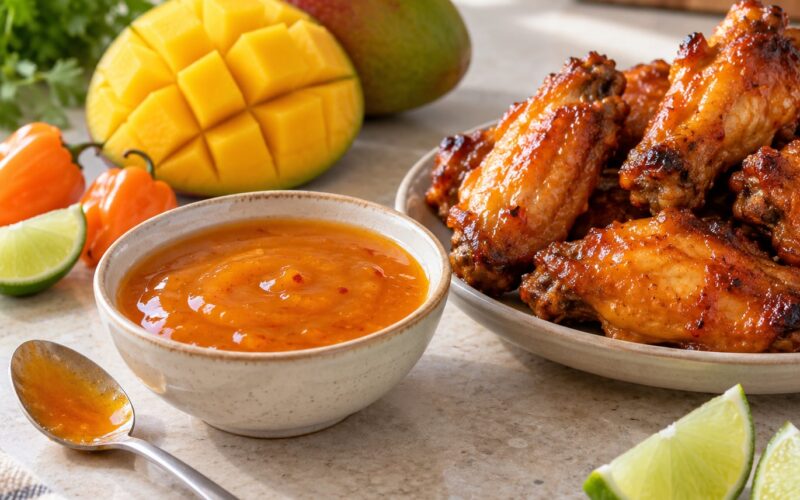
Season with salt or dry rub while they are still hot and glossy. If you are saucing, toss after frying rather than during, and use a thick sauce that clings — a thin glaze pools on the plate and turns the crust tacky.
| Method | Oil temperature | Time per batch | Best for |
|---|---|---|---|
| Single fry | 350–375°F (175–190°C) | 9–13 minutes | Weeknight wings, simplest method |
| Low and slow | 250–275°F (120–135°C) | 15–20 minutes | Maximum moisture, very forgiving |
| Par-fry, then finish | 300–325°F (150–160°C), then 375°F (190°C) | 8–10 minutes, rest 30 minutes, then 3–5 minutes | Restaurant-crisp skin, best of both |
| Too hot | 400°F+ (205°C+) | Under 5 minutes | Dark outside, raw or undercooked inside |
Choosing Your Pot and Oil
A heavy pot is fine for most homes, and a countertop fryer with a built-in basket is safer because the walls are taller and the lid closes over the oil. Whichever you use, the rules are the same: enough headroom, no more than a third full, and a thermometer you trust.
| Oil | Approximate smoke point | Flavour | Notes |
|---|---|---|---|
| Avocado | 480°F / 250°C | Neutral | Highest smoke point available, but pricier |
| Peanut | 450°F / 232°C | Mild nuttiness | Standard restaurant pick; avoid if there is a peanut allergy in the house |
| Refined sunflower | 440°F / 227°C | Neutral | Good neutral option, widely available |
| Canola | 400–450°F / 204–232°C | Neutral | Affordable neutral oil that still handles wing heat well |
| Vegetable or soybean | 450°F / 232°C | Neutral | Fine, though soybean is a top allergen for some people |
| Lard | 400°F / 204°C | Porky | The traditional pub choice; great flavour, not for a vegetarian table |
| Extra virgin olive | 375–405°F / 190–207°C | Fruity, peppery | Works but flashes at wing temps, so it burns before the wings brown |
A smoke point is simply the temperature at which an oil starts to break down, smoke and turn bitter. Once oil smokes it is degrading, so your wings pick up a stale taste and the smoke sets off your alarm before you are done.
Common Mistakes
Wings go in wet. Moisture on the surface flashes to steam and throws oil. Pat them dry again right before they go in, and shake off any loose coating or cornstarch from the bowl.
Too many wings at once. A crowded pot drops the oil temperature in seconds and can push hot oil up the sides toward the rim. Six to eight wings per batch in a home pot keeps the temperature inside the range.
Wrong temperature, either direction. Oil at 400°F burns the outside before the centre cooks, and oil at 300°F makes wings that soak up grease and stay pale. Most recipes you find online quote a different number because they mean different things: 375°F for a single fry, 300–325°F for the par-fry stage, 250–275°F for a long low cook.
Dropping wings from a height. Food that falls into oil carries air with it and detonates on contact. Rest the skimmer on the rim of the pot and slide each wing in along the side.
Frying frozen wings. The outside burns long before the centre cooks, and the melting ice is exactly the water that makes oil spit. Thaw them in the refrigerator overnight, then dry them well.
Draining on paper towels in a pile. Trapped steam softens the crust. Use a wire rack, keep wings in one layer, and move the sauce to the end.
Reusing oil carelessly. Used oil is fine to strain and store for a second use on something savory. Let it cool completely first, pour it through a fine sieve into a heat-safe container, and keep it sealed and cool. Once it smokes, smells scorched or turns gummy, pour it into the trash rather than down the sink.
What to Do If the Oil Catches Fire
If flames appear, do not reach for the faucet. Water on burning oil makes the fire explode upward and it is the one response that reliably makes things worse.
- Turn off the burner and leave the pot exactly where it is. Never carry a pot of burning oil, not even to the sink.
- Slide the metal lid over the pot to cut off the oxygen. A splatter screen works, but a lid works better.
- If you have a fire extinguisher rated for grease or Class K fires, keep it back from the pot and spray the base of the flames.
- Leave the lid on for several minutes until everything is fully cool. Then move the pot of cooled oil to a safe spot outdoors or on the back burner to cool.
- If the lid does not smother the fire, get everyone out of the room and call the fire department.
Frequently Asked Questions
What temperature should oil be for deep frying chicken wings?
For a single fry, heat the oil to 350–375°F (175–190°C). For the crispest restaurant-style skin, par-fry at 300–325°F (150–160°C) for 8 to 10 minutes, rest the wings at least 30 minutes, then finish at 375°F (190°C) for 3 to 5 minutes. Always confirm the thickest part reaches 165°F (74°C) before draining.
Which oil is safest and best for deep frying wings at home?
Avocado, peanut, refined sunflower and canola all work well because their smoke points sit well above 375°F. Peanut and avocado give the most neutral flavour, canola is the budget pick, and lard gives the traditional pub taste. Skip extra virgin olive oil at wing temperatures, since it smokes and turns bitter before the wings brown.
How long do wings take to deep fry at 350°F?
At 350°F, flats need roughly 9 to 11 minutes and drumettes about 11 to 15 minutes. Exact timing depends on how large the pieces are and whether the wings were brined or frozen. Colour is the better signal than the clock: aim for deep golden brown, then check that the thickest part reads 165°F (74°C).
Can I deep fry frozen wings without thawing them first?
No. Ice melting in hot oil creates exactly the steam burst that makes oil spatter, and the outside burns long before the centre cooks. Thaw wings in the refrigerator overnight, then pat them thoroughly dry before frying. Running frozen wings under cold water speeds things up, but they still need drying, and that route softens the skin.
How do I keep deep-fried wings crispy after cooking?
Drain on a wire rack set over a rimmed tray rather than stacking wings or resting them on paper towels, which traps steam and softens the crust. Season while hot, keep wings in one layer, and sauce only at the table. Any sauce tossed on ahead of time softens the skin within minutes. Hold them in a 200°F oven if you need to wait more than 10 minutes.
How should I safely dispose of or cool used frying oil?
Let the oil cool completely in the pot, then pour it through a fine sieve into a heat-safe container. Keep it sealed and refrigerate it, and use it again for something savory within a week or two. Do not pour it down the sink, which can clog pipes. When the oil smokes, smells scorched or turns gummy, put it in the trash.
The Short Version
Start by drying your wings and setting out a metal lid next to the stove. Fill a heavy pot no more than a third full, heat the oil to 350–375°F, and fry six at a time until golden and 165°F inside. Everything else on this page is detail on those four moves, and how to deep fry wings at home safely comes down to doing them in that order every time.
Once you have the method, the fun part is what you do after. A sharp buffalo sauce, a dry rub you mix ahead, and a plan for keeping the first batch hot while the second one fries will make 2026 game day go a lot smoother.